Wembley Park gardeners local maintenance guide
If you live or work in Wembley Park, garden care can feel oddly specific. One week the borders are holding their shape, the next you're dealing with windblown leaves, patchy turf, shady corners, and the kind of container plants that seem to dry out the moment you look away. This Wembley Park gardeners local maintenance guide is here to make the whole thing simpler, calmer, and far more manageable.
Whether you're looking after a small courtyard, a shared communal space, or a private garden tucked behind a modern terrace, the local conditions matter. That includes London's stop-start weather, hard surfaces that reflect heat, and planting beds that can get compacted faster than you'd expect. In this guide, you'll find a practical approach to maintenance that suits the area, saves time, and helps your outdoor space stay healthy rather than constantly catching up.
And let's face it: a garden that looks "fine" in spring can unravel surprisingly fast by late summer if maintenance is irregular. The good news? A steady routine usually beats dramatic rescue work.
Why Wembley Park gardeners local maintenance guide Matters
Local maintenance matters because gardens do not fail all at once. They drift. A hedge grows a little uneven, soil gets a bit tired, moss creeps into a path, and suddenly the space feels neglected even if nothing is technically "broken". A good maintenance guide is really a way of staying ahead of that drift.
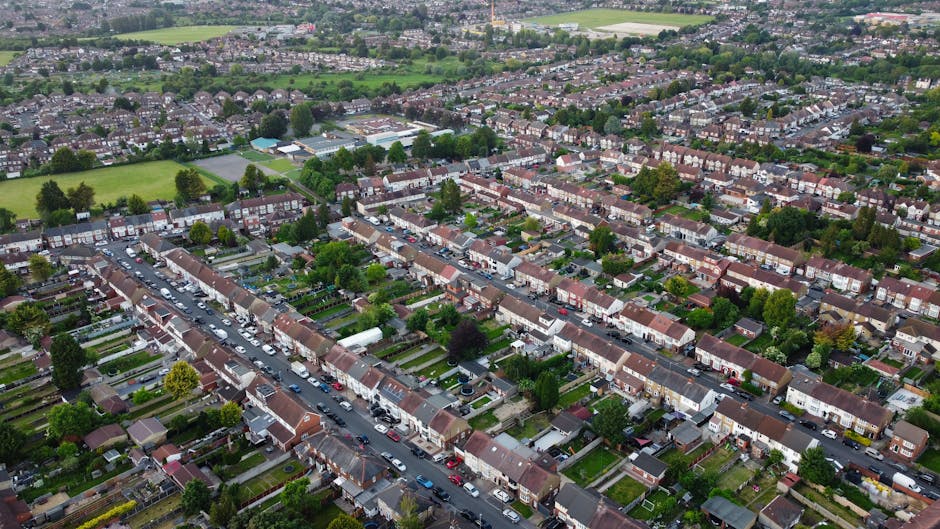
Wembley Park has its own practical gardening realities. Many gardens here are compact, partially shaded, exposed to urban pollution, or bounded by fences, walls, balconies, and hard landscaping. That means watering, feeding, pruning, and cleanup all need a bit more thought than a one-size-fits-all routine. You can't just copy what works in a suburban lawn-heavy garden and expect the same results.
There is also the local lifestyle factor. Plenty of Wembley Park properties have busy households, rental turnover, or shared outdoor areas. In those settings, maintenance has to be predictable and tidy. Not flashy. Predictable. That consistency is what keeps a garden usable, welcoming, and easier to manage across the year.
For many people, the real value of local maintenance is avoiding small problems becoming awkward ones. A blocked drain, overgrown climber, or neglected flower bed can be more than cosmetic. It can affect drainage, access, privacy, and even how safe paths feel in wet weather.
How Wembley Park gardeners local maintenance guide Works
A sensible garden maintenance plan is usually built around observation, timing, and repetition. In plain English: look closely, do the right task at the right time, and keep the rhythm going. That sounds almost too simple, but in practice it's what separates a tidy, resilient garden from one that needs repeated rescue work.
The process normally starts with a site review. What gets sun, what stays damp, where does wind funnel through, and which plants always look stressed? Once you know that, maintenance becomes more targeted. A shady north-facing border, for example, will not need the same watering and mowing approach as a sheltered courtyard that bakes in the afternoon.
After that comes the routine layer: mowing, edging, pruning, weeding, feeding, deadheading, watering, and waste removal. Each task supports the next. Leave one out for too long and the rest becomes harder. That is usually where people notice the difference between ad hoc gardening and a proper maintenance schedule.
In Wembley Park, local maintenance also tends to account for smaller access spaces and shared boundaries. That means quieter tools, cleaner working methods, and careful scheduling can matter just as much as horticultural skill. If you're thinking about wider support, some homeowners also look at ongoing garden maintenance services so the essential jobs don't pile up between seasons.
Key Benefits and Practical Advantages
Good maintenance is not just about appearances, although appearances matter. It also improves how the garden functions day to day. That can mean better drainage, healthier planting, fewer pests, and a space that feels usable rather than half-finished.
Here are some of the most practical benefits:
- Healthier plants: regular pruning, feeding, and deadheading reduce stress and encourage steadier growth.
- Cleaner boundaries: trimming hedges, climbers, and edges keeps the garden looking intentional rather than overrun.
- Less emergency work: small weekly tasks reduce the need for big, expensive catch-up jobs.
- Better kerb appeal: a tidy front or communal garden makes a much stronger first impression.
- Safer access: clear paths and controlled growth reduce slippery or obstructed areas.
- More usable space: when the garden is maintained properly, people actually use it. Simple as that.
There is also a quieter benefit that often gets overlooked: maintenance helps you understand your own garden. You start noticing patterns. Where the soil dries first. Which shrubs always need a late cutback. Which corner catches every leaf in autumn. That kind of awareness makes every future job easier.
| Maintenance approach | Best for | Typical outcome | Common drawback |
|---|---|---|---|
| Ad hoc tidy-ups | Very small or low-use gardens | Short-term improvement | Problems return quickly |
| Weekly light maintenance | Most Wembley Park gardens | Consistent, neat appearance | Needs regular discipline |
| Seasonal intensive maintenance | Established gardens with mature planting | Good structural control | Can miss fast-growing issues between visits |
| Full service planned maintenance | Busy homeowners, landlords, communal spaces | Most reliable year-round result | Higher ongoing commitment |
Who This Is For and When It Makes Sense
This kind of guide is useful for anyone who wants their outdoor space to stay under control without turning gardening into a second job. That includes private homeowners, tenants with garden responsibilities, landlords, property managers, and businesses with small outdoor areas.
It especially makes sense if you recognise any of these situations:
- Your garden looks tidy for a week or two, then quickly slips.
- You have shrubs, hedges, or climbers that need regular shaping.
- Drainage is a bit awkward and leaf fall tends to build up.
- You manage a shared entrance, courtyard, or communal planting area.
- You want to improve the garden gradually without a full redesign.
- You've inherited an outdoor space that is basically manageable, but not yet well managed.
It also matters if you're deciding between doing it yourself and bringing in help. Truth be told, many people do a decent first pass on weekends, then realise they need a more regular approach once the hedge clipping, waste removal, and seasonal work start competing with everything else in life.
If the space is used often, visible from the street, or difficult to access, a maintenance plan usually pays for itself in time saved and stress avoided. That is the boring answer. Also the accurate one.
Step-by-Step Guidance
The simplest way to manage a Wembley Park garden is to break maintenance into clear stages. Not everything needs doing every visit, which is a relief, because no one wants to spend all day with secateurs and a leaf rake unless they absolutely have to.
1. Start with a quick site check
Walk the garden before picking up tools. Look for overgrowth, standing water, pests, damaged branches, blocked drains, and anything that has changed since the last visit. This is especially useful after windy weather or a cold snap.
A two-minute walk-through often saves twenty minutes later. You'll notice it when you get used to doing it.
2. Remove obvious clutter and waste
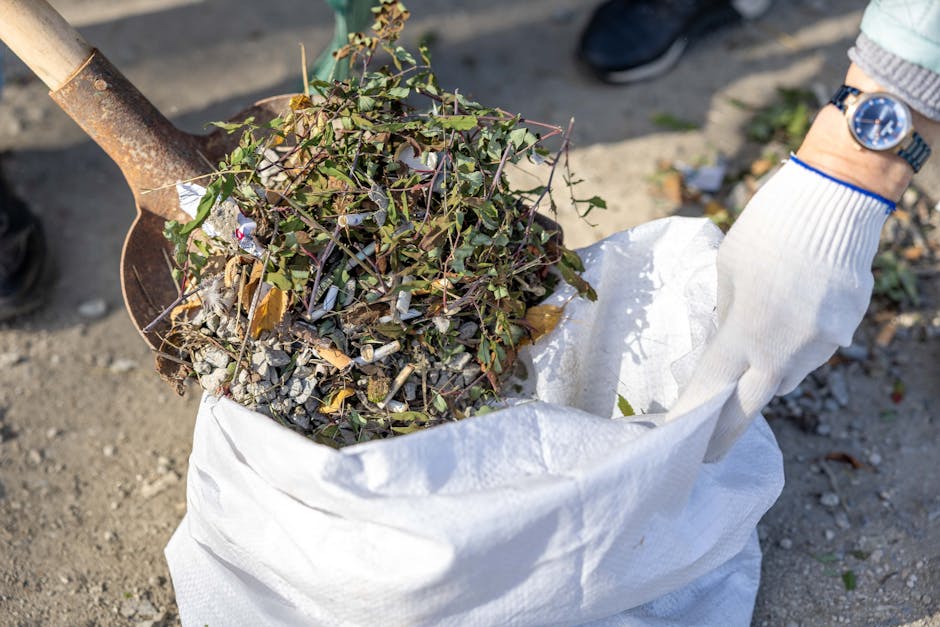
Start with fallen leaves, broken stems, spent annuals, and any litter that has blown in. In urban areas, a clean reset makes every other job easier because you can actually see the plant shapes and soil surfaces.
3. Tidy the edges
Edges matter more than people think. Crisp lawn edges, clear path lines, and well-defined borders instantly make the garden look more maintained, even if the planting is still settling in. It is a small thing, but a powerful one.
4. Prune with purpose
Do not prune everything at once just because you are there with the tools out. Remove dead, damaged, or crossing growth first. Then shape lightly where needed. If a plant flowers on old wood, timing matters; cut it at the wrong time and you may lose the bloom. That's one of those annoying gardening lessons everyone learns eventually.
5. Weed before they set in
Young weeds are a quick job. Mature weeds are a project. Regular hand weeding or hoeing keeps beds much easier to manage and helps prevent competition for water and nutrients.
6. Check watering needs properly
Wembley Park gardens can be deceptive. Some corners may stay cool and damp while containers in sheltered, sunny spots dry out fast. Water deeply rather than just sprinkling the surface. That encourages roots to grow down instead of hanging around near the top.
7. Feed, mulch, and protect the soil
Healthy soil is the backbone of everything. Add compost where appropriate, top up mulch if the beds are losing coverage, and avoid compacting the soil too often. A garden with decent soil will always recover better after stress. Always.
8. Finish with a final review
Step back. Check the shape, the balance, the sightlines, and whether anything now looks out of place. In my experience, the last five minutes often make the biggest visual difference. It is a bit like straightening a room after cleaning it. Annoyingly effective.
Expert Tips for Better Results
Good local maintenance is as much about judgment as it is about labour. You can do all the tasks and still miss the point if the timing or sequence is wrong.
Here are a few practical tips that tend to make a real difference in Wembley Park:
- Work with the garden's microclimate. A courtyard, balcony planter area, and shaded side return will all behave differently.
- Use the weather forecast intelligently. If rain is due, postpone watering and focus on weeding or pruning instead.
- Keep a seasonal rhythm. Spring, summer, autumn, and winter each need different priorities.
- Trim little and often. That applies especially to hedges, climbers, and lawns in active use.
- Do not ignore soil health. It is less visible than flowers, but it drives long-term results.
- Respect access and neighbours. In dense parts of London, tidy work habits matter a lot. Noise, debris, and overspill are all part of the job.
A useful rule of thumb: if a task starts feeling bigger every time you put it off, it probably wants a regular maintenance slot. That sounds obvious, but it saves a lot of grief.
If you prefer support with broader outdoor care, it can also be sensible to combine garden upkeep with occasional tree surgery where overhanging limbs, shaded borders, or unsafe branches are getting in the way.
Common Mistakes to Avoid
Most maintenance problems are not dramatic. They come from repetition, shortcuts, or timing errors. The garden does not complain loudly, it just slowly looks worse. Very diplomatic, very frustrating.
Common mistakes include:
- Over-pruning shrubs and climbers. Hard cuts can weaken plants or remove flowering wood.
- Under-watering containers. Pots dry out quickly, especially near warm walls or paving.
- Ignoring drainage issues. If water pools after rain, that is not a cosmetic problem only.
- Leaving weeds until they seed. One missed cycle becomes several weeks of catch-up work.
- Using the wrong mower height. Cutting grass too short can stress it, especially in dry spells.
- Forgetting seasonal timing. Some tasks are simply better done at specific times of year.
- Trying to do everything in one go. That usually leads to rushed decisions and an exhausted gardener.
One of the most common mistakes in urban gardens is treating every area the same. Front garden, rear garden, shaded beds, containers, and lawns all have different demands. If you lump them together, something always suffers.
Tools, Resources and Recommendations
You do not need a shed full of specialist kit to keep a Wembley Park garden in good shape. What you do need is the right basic equipment, kept in decent order. Blunt blades and wobbly tools make simple jobs harder than they need to be.
| Tool or material | Why it helps | Best use |
|---|---|---|
| Secateurs | Clean cuts on small stems and deadheading | Routine pruning and tidying |
| Hedge trimmer | Keeps shrubs and hedges even | Structured trimming jobs |
| Spade and border fork | Useful for planting, dividing, and turning soil | Bed work and soil improvement |
| Leaf rake | Quick collection of fallen debris | Autumn clean-ups and daily tidying |
| Watering can or hose setup | Controlled watering where needed | Containers, beds, and new planting |
| Mulch or compost | Improves soil and suppresses weeds | Seasonal soil care |
Beyond tools, the best resource is a simple maintenance log. Nothing fancy. Just notes on what was done, what looked stressed, and what needs checking next visit. This is particularly helpful if more than one person looks after the garden.
If the work involves a broader property upkeep schedule, some readers also review related guidance such as pressure washing for paths, patios, and hard surfaces that collect algae or dirt over time. Clean paving can make a surprisingly big difference to the overall feel of the garden.
Law, Compliance, Standards, or Best Practice
Garden maintenance is usually straightforward, but there are still sensible standards to keep in mind. In London, the main thing is to work safely, avoid nuisance, and be considerate about waste, noise, and property boundaries.
If you are managing a rented property or a communal area, check who is responsible for the upkeep before work begins. That sounds basic, but it avoids awkward disputes later. If trees are involved, it is wise to be cautious about ownership, overhanging branches, and whether the work needs a qualified specialist. When in doubt, take the careful route.
There are also good practice points that matter even when nothing is formally regulated:
- Use safe access methods. Do not overreach from ladders or unstable surfaces.
- Dispose of green waste properly. Keep clippings, branches, and soil in the right waste stream where possible.
- Respect neighbours. Avoid unnecessary noise early in the morning or late in the evening.
- Protect shared areas. Sweep up after cutting and avoid leaving slippery debris on paths.
- Check for nesting birds. Be careful when pruning hedges and dense shrubs during the breeding season.
Best practice is often less about big rules and more about careful habits. That is especially true in dense residential areas like Wembley Park, where small oversights can affect more than one property.
Options, Methods, or Comparison Table
Not every garden needs the same level of attention. Choosing the right maintenance method depends on your time, budget, and how visible or demanding the space is.
| Method | Pros | Cons | Best fit |
|---|---|---|---|
| DIY weekly upkeep | Low cost, flexible, personal control | Time-consuming, easy to miss seasonal tasks | Small gardens, confident gardeners |
| Fortnightly professional maintenance | Consistent standards, less stress, tidy finish | Ongoing spend | Busy households, visible front gardens |
| Seasonal visits only | Useful for big resets and major cuts | Gaps between visits can let problems build up | Low-use gardens with simple planting |
| Hybrid approach | Balances cost and consistency | Needs clear planning | Most Wembley Park gardens |
For many people, the hybrid approach is the sweet spot. You handle the lighter jobs and bring in help for the work that is time-sensitive, technical, or physically awkward. There is no prize for doing every task the hard way.
Case Study or Real-World Example
A typical Wembley Park maintenance scenario might involve a small rear garden with a patio, raised beds, a compact lawn, and two climbing plants running along a fence. In early spring, the space looks tidy enough, but by June the lawn edges have blurred, the climbers are reaching too far, and the raised beds are crowded with weeds after a wet spell.
Rather than starting from scratch, the most effective approach is usually a measured reset:
- clear the beds and borders first
- redefine the lawn edge
- cut back climbers just enough to keep structure
- improve the soil surface with compost or mulch
- set a repeat schedule for checking weeds and watering containers
By the next visit, the space feels calmer. The lawn reads as a proper lawn again, the beds stop looking congested, and the whole garden becomes easier to keep that way. Nothing dramatic happened. That's the point. Good maintenance is usually quiet, steady work.
We have seen this pattern many times with busy households: the garden is not neglected exactly, just under-attended. Once a proper routine is in place, the difference is obvious by the second or third visit. The air feels clearer, the paving looks brighter after a sweep, and the space starts inviting people outside again.
Practical Checklist
Use this as a quick maintenance check for your Wembley Park garden. It is simple, but useful.
- Check for weeds in beds, borders, paths, and gravel areas.
- Inspect lawns for dry patches, moss, or uneven growth.
- Trim hedges and shrubs lightly before they become unruly.
- Deadhead flowers and remove damaged stems.
- Water containers and newly planted areas thoroughly.
- Clear fallen leaves and debris from paths and drains.
- Look for signs of pests, disease, or dieback.
- Top up mulch or compost if soil is exposed and drying out.
- Check fences, trellises, supports, and ties.
- Review what needs a bigger job next month, not today.
Expert summary: the best Wembley Park garden maintenance is not about doing everything at once. It is about keeping the space in a state where nothing gets the chance to snowball. A little attention, regularly applied, usually beats a heroic catch-up every time.
If you are ready to improve your outdoor space without the usual hassle, it may be worth speaking to a local team that understands the pace, layout, and practical demands of Wembley Park gardens.
Get a free quote today and see how much you can save.
Conclusion
A well-run garden in Wembley Park does not happen by accident. It comes from a simple, consistent maintenance rhythm tailored to the space, the season, and the way the garden is actually used. Once you know what to look for, the jobs become less overwhelming and more predictable.
That is really the heart of this guide. Keep the soil healthy, keep the edges tidy, pay attention to timing, and do not let small issues hang around too long. Whether you manage the garden yourself or bring in help, the aim is the same: a space that looks cared for and feels easy to enjoy.
And honestly, that is one of the nicest things a garden can do. It gives a bit back. Quietly, but properly.
Frequently Asked Questions
What does a Wembley Park gardeners local maintenance guide actually cover?
It covers the practical day-to-day and seasonal tasks needed to keep local gardens in good condition, including pruning, weeding, mowing, watering, edging, soil care, and waste removal. It also helps you think about Wembley Park-specific factors like compact spaces, shade, and busy schedules.
How often should garden maintenance be done in Wembley Park?
It depends on the size and style of the garden, but most spaces benefit from regular light upkeep rather than occasional large jobs. Weekly or fortnightly attention is often enough for many homes, with seasonal work added as needed.
Is professional garden maintenance better than DIY?
Not always. DIY works well for small, simple gardens if you have time and confidence. Professional maintenance tends to help more when the garden is visible, shared, time-sensitive, or technically demanding. A hybrid approach is often the most practical choice.
What are the most important tasks to prioritise first?
Start with weeds, overgrowth, edges, and any watering needs. After that, move on to pruning, lawn care, and soil improvement. If something is affecting safety or access, that should come before anything decorative.
When is the best time to prune shrubs and hedges?
That depends on the plant type and whether it flowers on old or new growth. Some shrubs are best trimmed after flowering, while hedges may need shaping more than once a year. If you are unsure, light pruning is safer than a hard cut.
How can I keep a small Wembley Park garden looking neat?
Small gardens respond well to consistency. Keep edges crisp, containers watered, weeds removed early, and plants trimmed before they become crowded. In compact spaces, even a ten-minute tidy can change the whole feel of the garden.
Do I need specialist equipment for regular garden maintenance?
Usually not. Good secateurs, a rake, a spade, a mower or trimmer if needed, and proper watering tools are enough for most routine work. Quality and upkeep matter more than having every gadget under the sun.
What should I do if my garden has poor drainage?
Do not ignore it. Look for compacted soil, blocked pathways for water, or low spots where water collects. Sometimes the fix is simple garden maintenance; other times it needs more structural work. Repeated pooling after rain should be assessed carefully.
How do I avoid overwatering containers and beds?
Check the soil rather than watering on autopilot. Containers in sun or wind dry faster than shaded beds, while some sheltered areas stay wet longer than expected. Water deeply and less often, rather than giving small splashes every day unless the plants genuinely need it.
Is there a best season for a full garden tidy-up?
Many gardens benefit from a major tidy-up in spring or early autumn, but the exact timing depends on the planting and what needs doing. A full reset is useful after winter damage or before a busy growing period, but ongoing light maintenance still matters year-round.
What are the biggest mistakes landlords make with garden upkeep?
The most common mistake is leaving maintenance too long between visits. That often turns a manageable garden into one needing major clearance. Another issue is unclear responsibility between tenant, landlord, and managing agent, which can delay necessary work.
How do I know if my garden needs a maintenance plan rather than occasional visits?
If the garden repeatedly gets untidy, overgrown, or hard to use between visits, a maintenance plan is usually the better option. The same goes for gardens visible from the street, shared spaces, or properties where consistency matters more than one-off improvements.
Can garden maintenance help improve kerb appeal?
Yes, very much so. Clean edges, healthy planting, tidy paving, and controlled growth create an immediate sense of care. It is one of the quickest ways to improve how a property feels from the outside, even before any larger landscaping changes.
What should I check before booking local garden maintenance?
Look at the scope of work, how often visits will happen, whether waste removal is included, and whether the team understands local access and property conditions. It also helps to clarify what counts as routine maintenance versus a separate larger job.